For SaaS companies in the USA, search visibility is no longer limited to ranking a page for a handful of commercial keywords.
A potential customer might discover a SaaS brand through Google, compare several solutions, read review sites, ask an AI assistant for recommendations, or search a detailed product question before ever visiting a company website.
That changes what an effective SEO agency for SaaS USA needs to deliver.
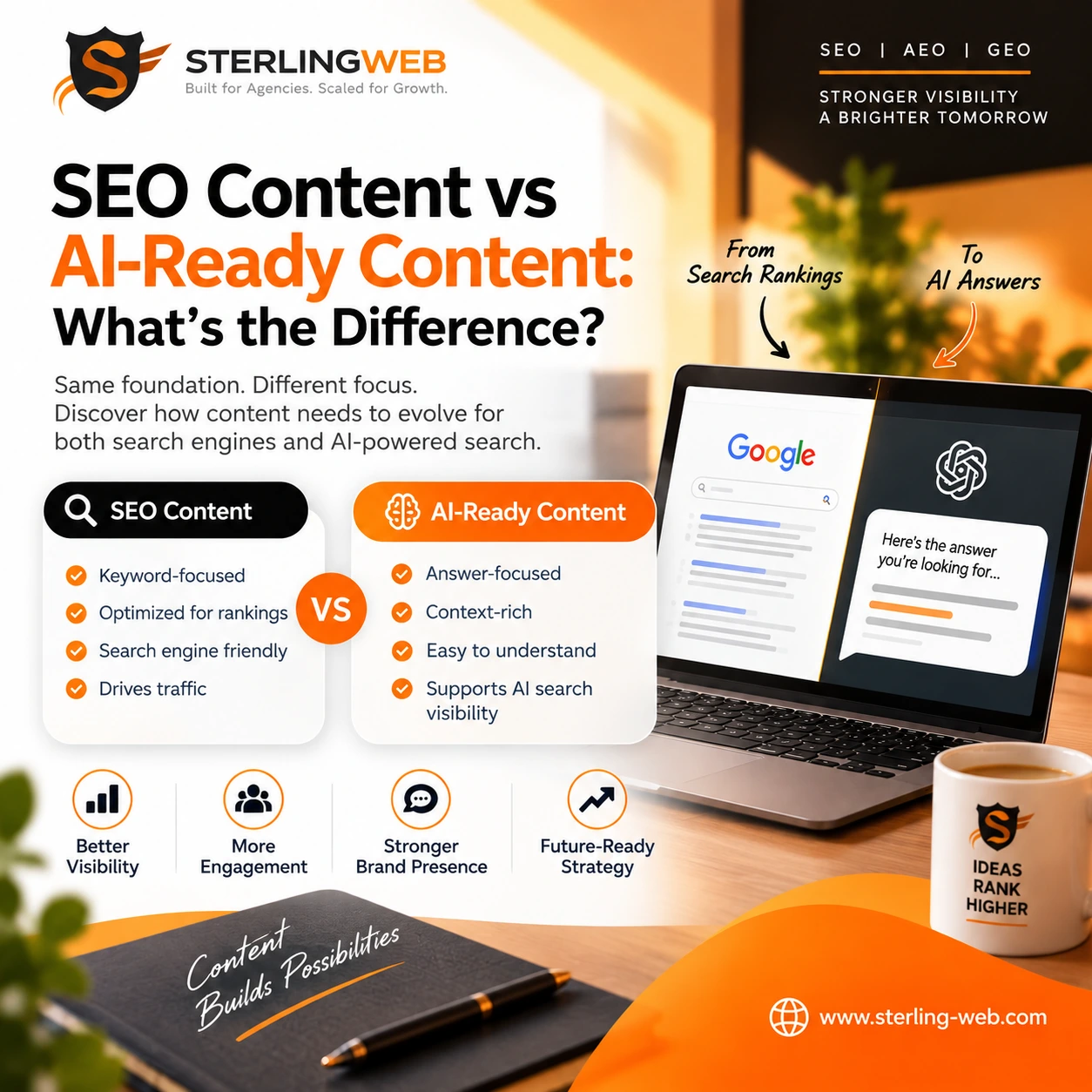
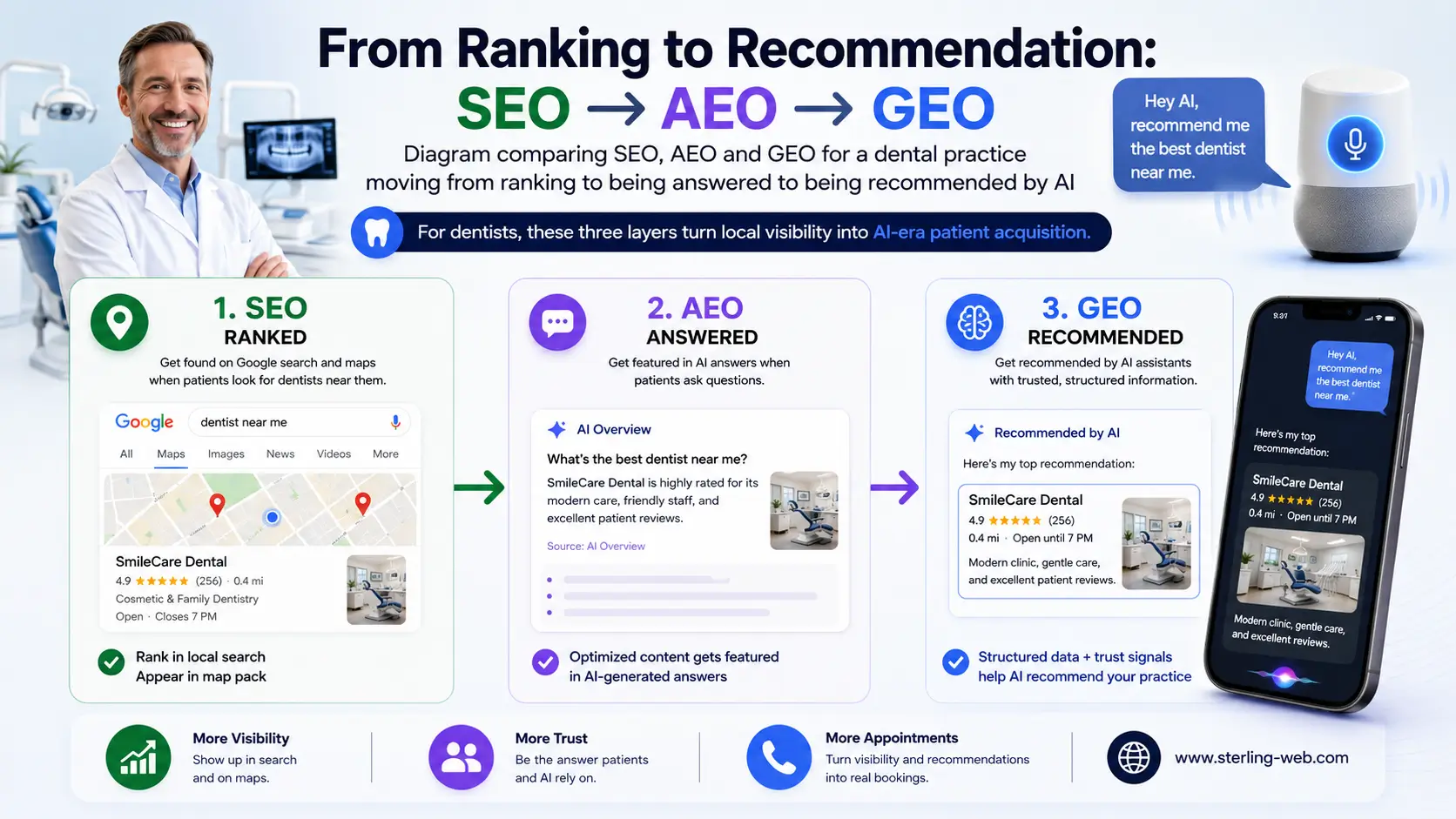
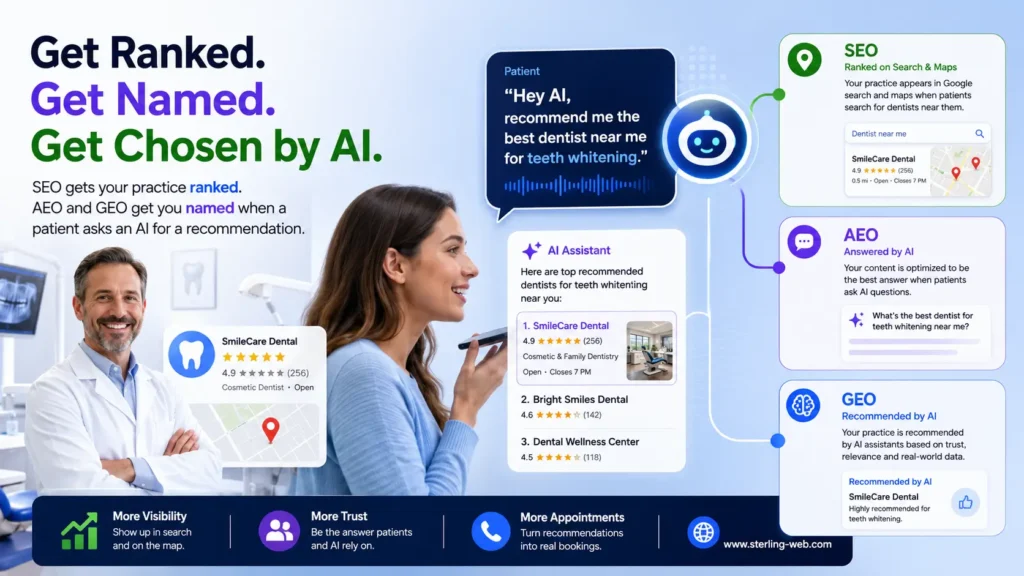
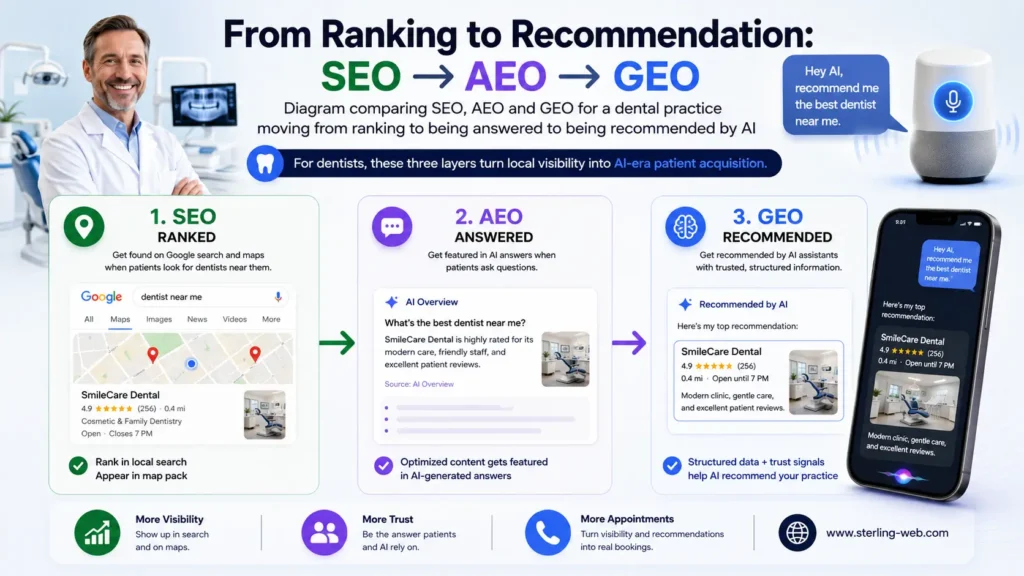
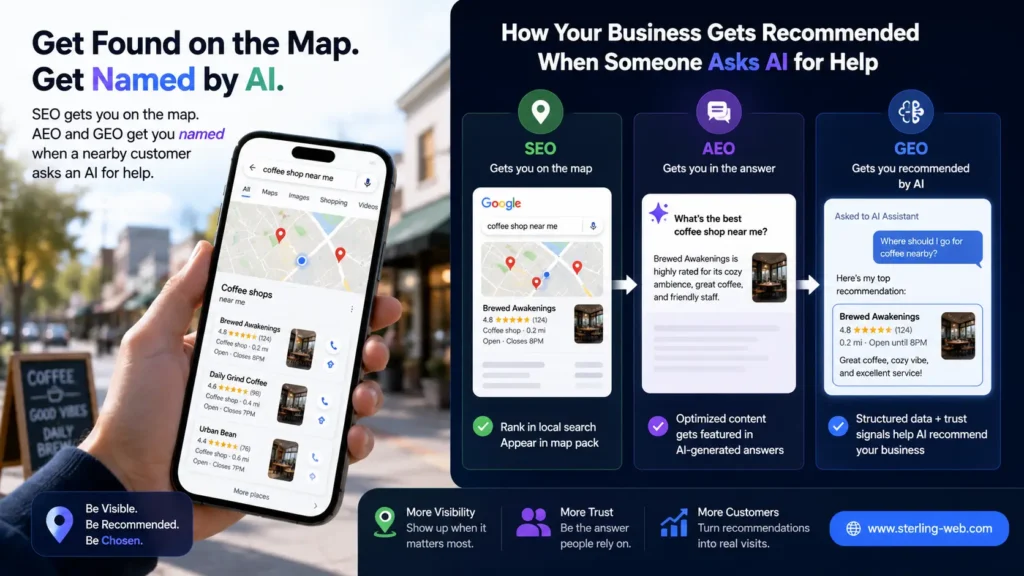
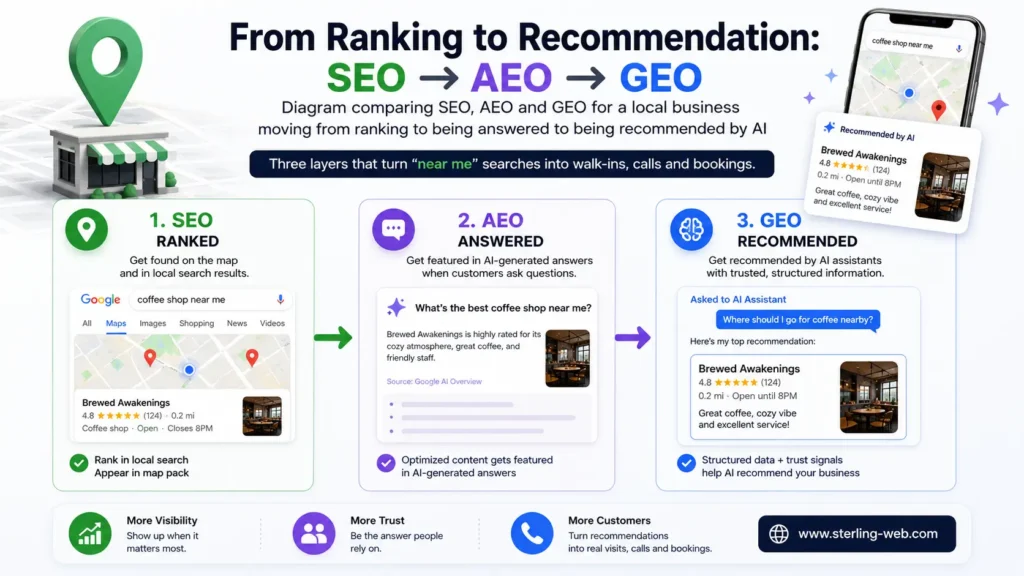
Traditional SEO still matters, but SaaS companies increasingly need a broader search strategy that combines SEO, Answer Engine Optimization (AEO), and Generative Engine Optimization (GEO).
Google itself states that SEO best practices remain relevant to its generative AI search experiences, including AI Overviews and AI Mode.
What Makes SaaS SEO Different?
SaaS SEO is different from many traditional industries because the buying journey can be long, research-heavy, and highly comparison-driven.
A prospective customer may search for:
- A specific software solution
- Alternatives to an existing platform
- Product comparisons
- Integration possibilities
- Pricing information
- Use cases by industry
- Implementation or migration advice
- Reviews and customer experiences
This means a SaaS SEO strategy should cover more than high-volume keywords.
The goal is to create a connected search presence that supports users across different stages of research and decision-making.
From Keywords to Search Journeys
Instead of building content around isolated keywords, SaaS companies should map topics to actual customer questions.
For example, a cybersecurity SaaS company could build authority around:
Problem → Solution → Category → Comparison → Product → Implementation
This creates a more useful content ecosystem than publishing dozens of unrelated keyword-focused articles.
Technical SEO Still Provides the Foundation
AI-powered search has not eliminated technical SEO.
Google’s current documentation continues to emphasize fundamentals such as crawlability, indexability, site structure, useful content, and structured data. Google also explains that structured data can help it understand page content and support eligible search appearances.
For SaaS websites, this means paying attention to areas such as:
- Website architecture and internal linking
- Crawl and indexation issues
- Canonicalization
- JavaScript rendering
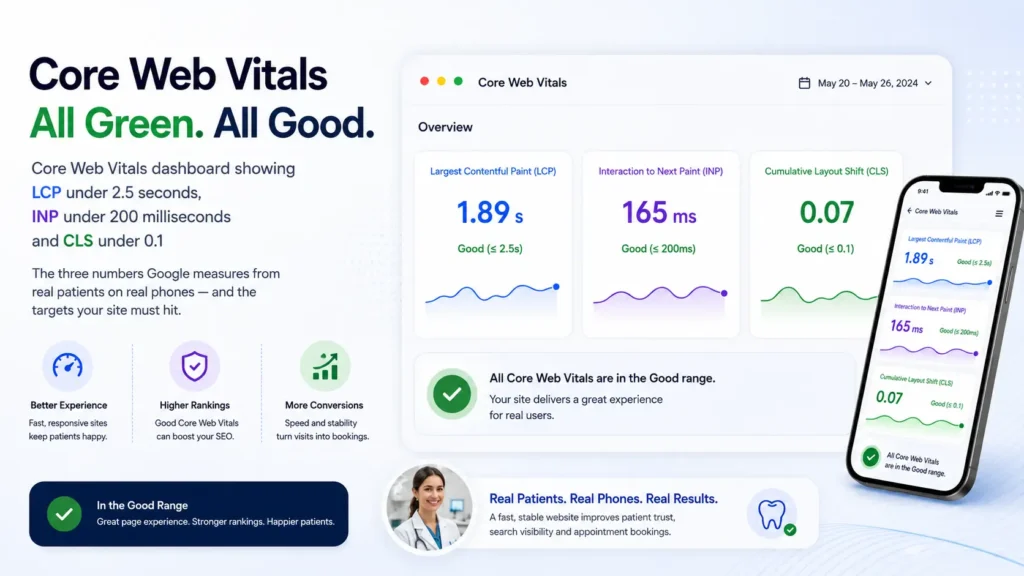
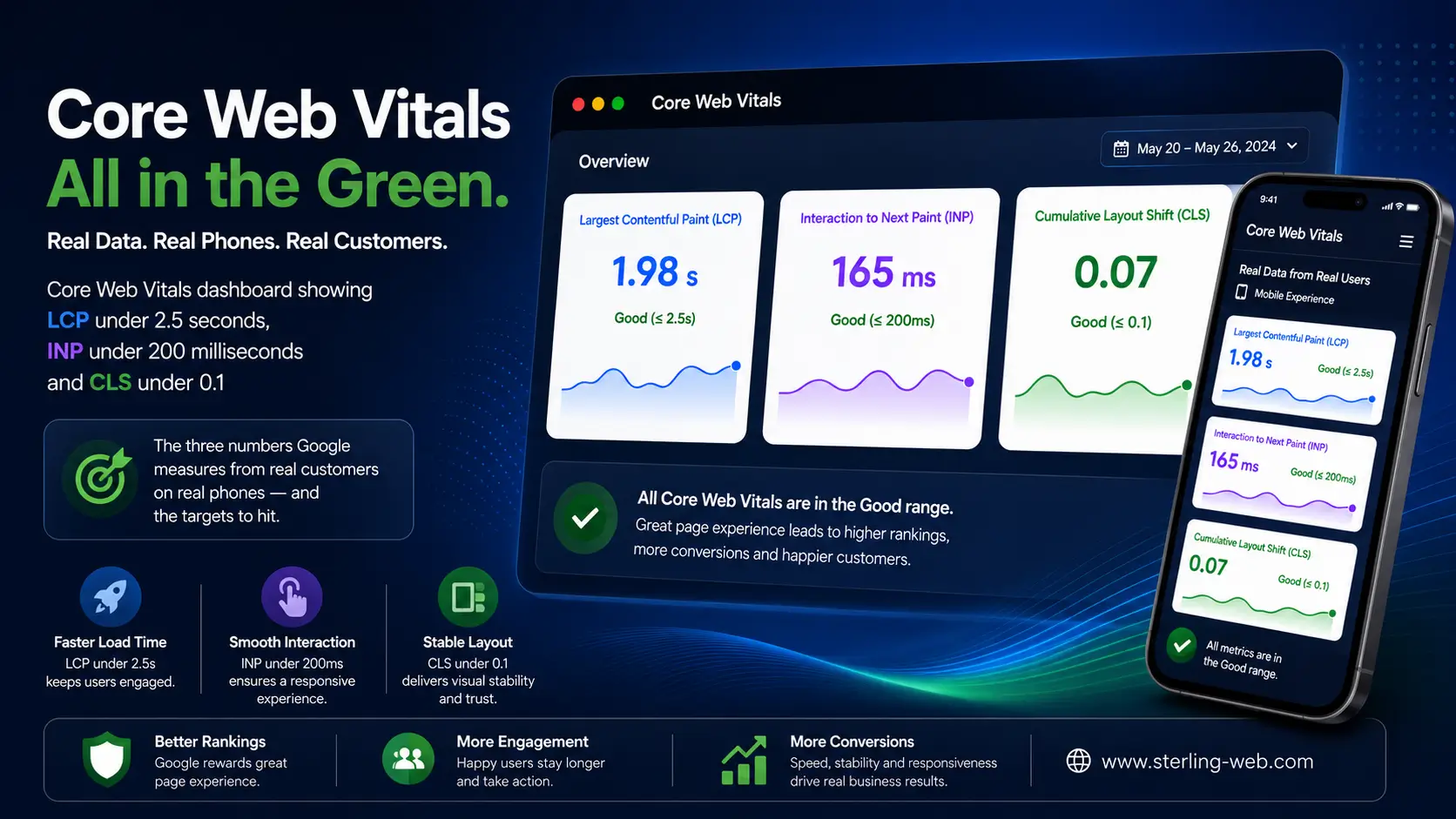
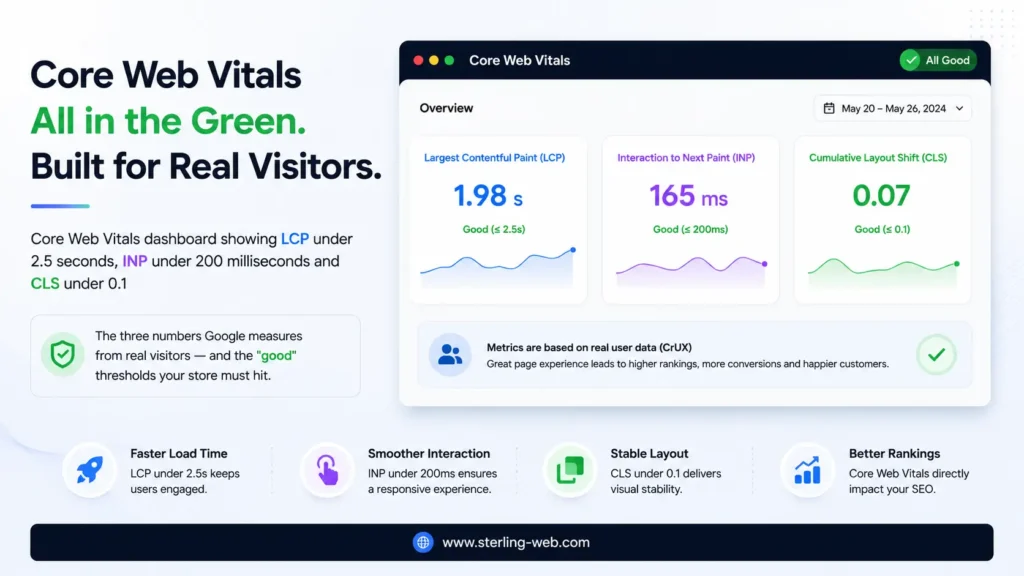
- Core Web Vitals and page experience
- Structured data
- International or regional targeting where relevant
- Duplicate and thin pages
- Product, feature, integration, and solution-page architecture
Technical improvements are particularly important for SaaS businesses with large websites containing product pages, integrations, resources, documentation, comparison pages, and dynamically generated content.
SaaS Content Needs More Than Generic Blog Posts
One of the biggest opportunities for SaaS brands is creating content that demonstrates actual expertise.
Generic articles such as “What Is CRM Software?” are unlikely to differentiate an established SaaS company.
More useful content can answer questions such as:
- How does this solution work in a specific business environment?
- What should a company evaluate before switching platforms?
- Which integrations matter for a particular workflow?
- What are the limitations of different approaches?
- How does one solution compare with another for a specific use case?
- What implementation challenges should buyers anticipate?
This type of content gives search engines and users more context about what the company actually knows.
Google’s guidance for generative AI search also emphasizes creating unique, useful content that provides value beyond generic information.
Where AEO Fits Into SaaS Search
Answer Engine Optimization (AEO) focuses on making information easy to understand and retrieve when users ask direct questions.
For SaaS companies, this can involve structuring content around questions such as:
What is the best software for…?
How does [solution] work?
What is the difference between X and Y?
How much does SaaS implementation typically cost?
What should a company consider before migrating?
The objective isn’t simply to create a page containing a question and answer.
The stronger approach is to provide a complete, authoritative explanation supported by relevant product information, examples, documentation, and clear contextual relationships between pages.
GEO Expands the Visibility Conversation
Generative Engine Optimization (GEO) looks at how a brand and its content can become useful sources within AI-powered search experiences.
This is particularly relevant to SaaS because buyers often ask broader questions than conventional search queries.
For example, instead of searching:
“project management software”
a potential buyer may ask an AI system:
“What project management platforms are suitable for a distributed software team with complex workflows?”
That query requires the search system to understand context, use cases, entities, product characteristics, and supporting information.
A SaaS website therefore needs to communicate what the product does, who it serves, which problems it solves, and how it differs from alternatives.
Google’s current guidance is also important here: it does not recommend treating AEO or GEO as a collection of shortcuts. Its guidance says established SEO fundamentals continue to apply to generative AI search experiences.
Build Entity and Brand Understanding
SaaS visibility is not only about individual URLs.
Search systems need to understand the relationship between:
Company → Product → Features → Use Cases → Industries → Integrations → Customers → Expertise
This is why consistent company information, strong internal linking, authoritative external references, clear product information, and relevant structured data can all contribute to better search understanding.
For SaaS businesses, the website should make these relationships obvious rather than forcing users—or search systems—to piece them together.
Measure More Than Traditional Rankings
A SaaS SEO program should still monitor organic rankings, impressions, clicks, conversions, and landing-page performance.
But modern search measurement can also look at:
- Brand visibility for conversational queries
- AI-generated search appearances
- Citation or source visibility
- Non-branded discovery
- Visibility across comparison and category searches
- Organic conversions
- Engagement with high-intent content
- Performance of product and solution pages
Google has also documented how AI features are represented in Search Console reporting, making Search Console an important part of monitoring search visibility.
The important point is to avoid treating one AI response or one ranking check as a permanent “GEO ranking.” AI-generated results can vary based on query, context, location, and search experience.
What Should You Look for in an SEO Agency for SaaS USA?
A SaaS-focused SEO partner should understand both marketing and the technical structure behind SaaS websites.
Look for an agency that can connect:
Technical SEO + Content Strategy + Commercial Intent + AEO + GEO + Conversion Data
rather than treating each activity as a separate campaign.
The agency should also be able to explain why a particular page should exist, which customer question it addresses, how it connects to the rest of the website, and what business outcome it is expected to support.
SterlingWeb’s Approach to SaaS Search Visibility
At SterlingWeb, our SEO approach combines traditional search optimization with AEO and GEO considerations.
The focus is not on producing content simply because a keyword has search volume. Instead, the strategy considers the complete search journey—from discovering a problem to researching solutions, comparing products, evaluating providers, and eventually converting.
This includes areas such as technical SEO, content architecture, commercial landing pages, structured data, internal linking, AI-search visibility, and content designed to answer complex SaaS buyer questions.
The objective is to help SaaS companies build a search presence that remains useful as the way people discover software continues to evolve.
The Future of SaaS Search Is Broader Than Rankings
SaaS search is moving toward a more complex discovery environment.
Google’s generative AI features are part of that change, while traditional search remains important. Google’s own documentation makes clear that SEO fundamentals continue to matter for generative AI search experiences.
For SaaS companies, the practical response isn’t to abandon SEO for a completely separate “AI SEO” strategy.
It’s to build stronger foundations and extend them across SEO, AEO, and GEO.
Key Takeaway
An effective SEO agency for SaaS USA should help a company become discoverable wherever potential customers research solutions—not only when they type a traditional keyword into Google.
Strong technical foundations, genuinely useful SaaS content, clear product positioning, structured information, and an integrated SEO-AEO-GEO strategy can create a more resilient search presence.
Looking to improve your SaaS brand’s visibility across traditional and AI-powered search? Connect with SterlingWeb to discuss an SEO, AEO, and GEO strategy aligned with your SaaS growth goals.